Common Myths About House Cleaning Debunked


Myth: Cleaning Products Are All the Same
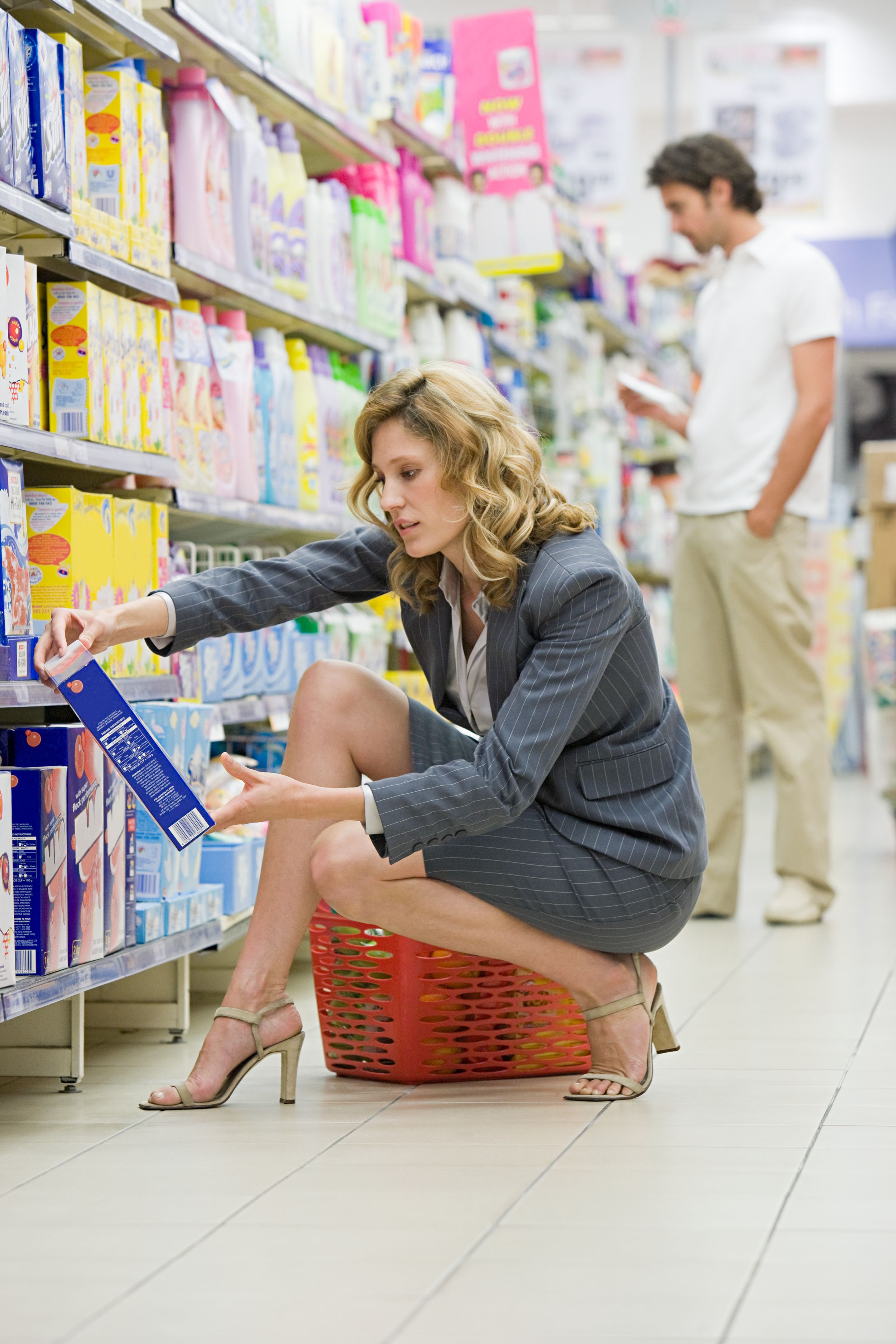
One common misconception is that all cleaning products offer the same level of effectiveness. In reality, cleaning solutions vary widely in their ability to tackle different types of dirt and bacteria. It's essential to choose the right product for your specific cleaning needs. For example, disinfectants are designed to kill germs, while general-purpose cleaners may not.
Myth: More Cleaning Product Means Better Results
Many people believe that using more cleaning product will lead to a cleaner home. However, overusing these products can lead to residue build-up and may even damage surfaces. Always follow the recommended amounts on the label to achieve the best results without wasting product.
Understanding Labels
Paying attention to the labels and instructions can help you use cleaning products more effectively. Many products are concentrated, meaning a small amount goes a long way. By using them correctly, you can save money and protect your surfaces.
Myth: Bleach Cleans Everything
Bleach is often considered a universal cleaner, but it's not suitable for all surfaces. While bleach is excellent for disinfecting, it can be too harsh for materials like wood or certain fabrics. It's crucial to know when and where to use bleach and when to opt for a milder solution.
Alternatives to Bleach
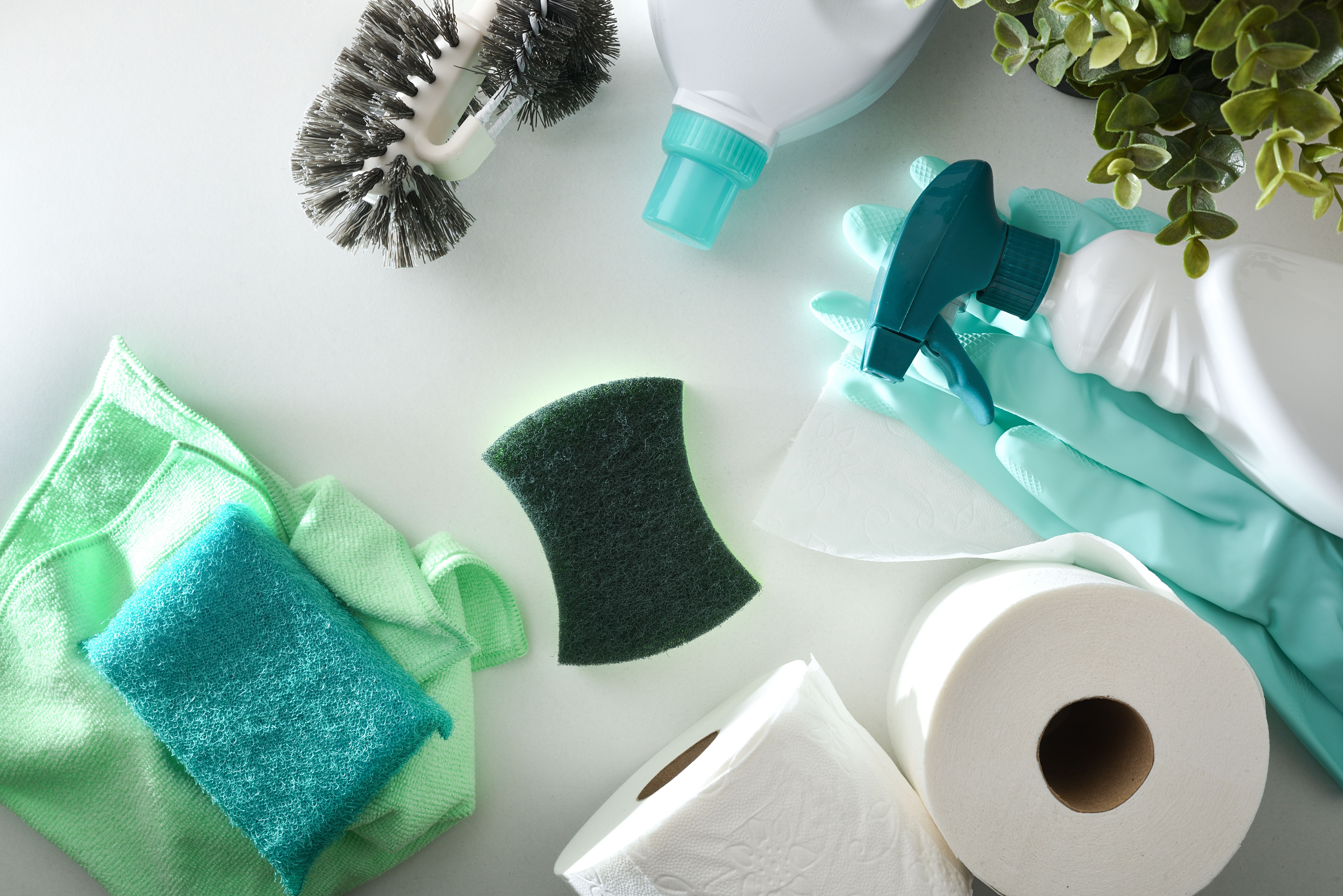
For surfaces where bleach is too harsh, consider using vinegar or baking soda. These natural alternatives can effectively clean and disinfect without damaging the material.
Myth: Vacuuming Too Often Damages Carpets
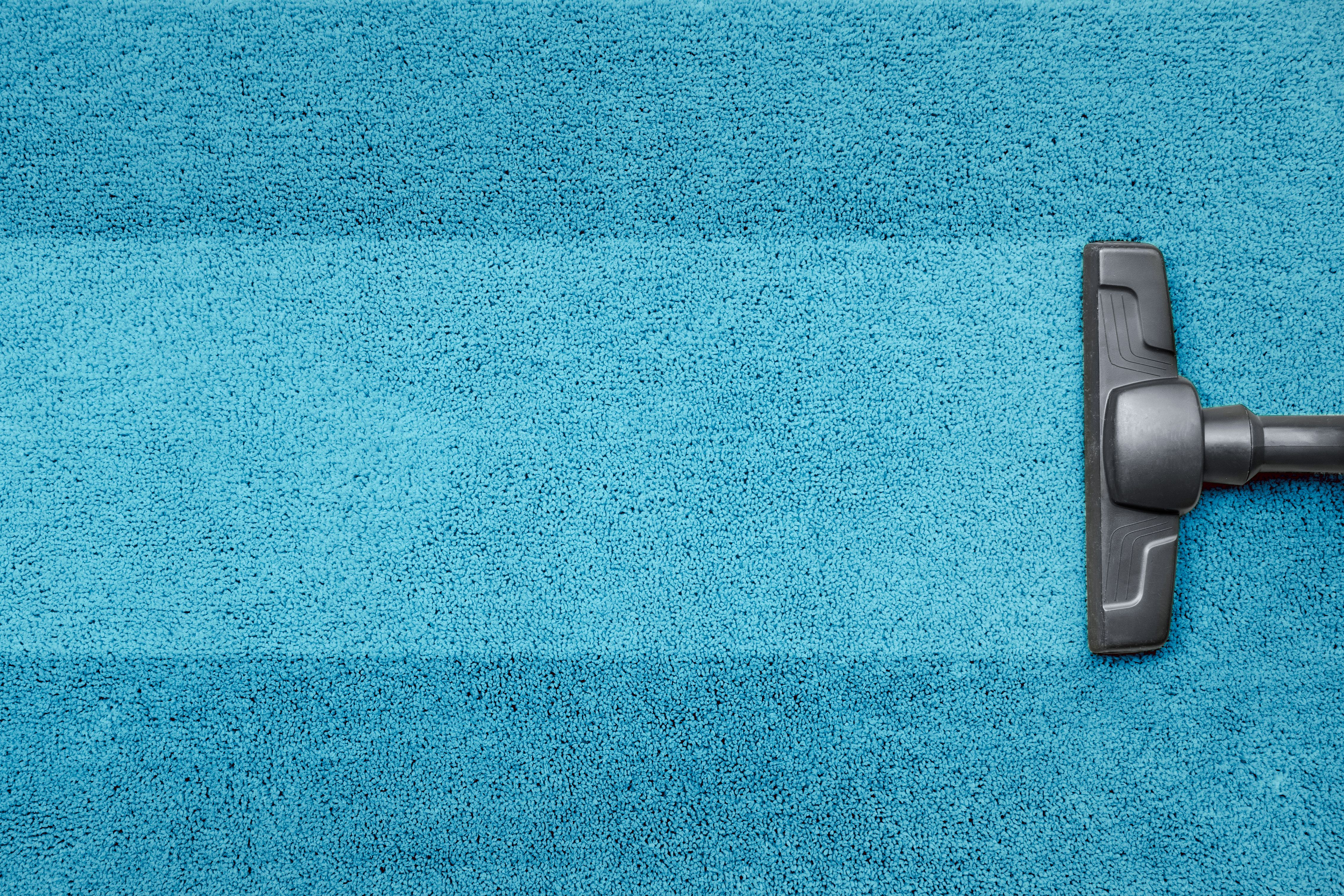
Some believe that frequent vacuuming can wear out carpets, but this is a myth. Regular vacuuming actually prolongs the life of your carpet by removing dirt and debris that can break down fibers over time. Aim to vacuum high-traffic areas at least once a week for the best results.
Proper Vacuuming Techniques
To effectively vacuum, make sure to use the right attachments and settings for your carpet type. This ensures a deep clean without causing unnecessary wear.
Myth: A Clean Home Is a Germ-Free Home
While a clean home is more comfortable and visually appealing, it doesn't necessarily mean it's germ-free. Regular cleaning can reduce germs, but complete elimination requires disinfecting. Focus on high-touch areas like doorknobs and light switches to help minimize germ spread.
Disinfecting vs. Cleaning
Cleaning involves removing dirt and impurities from surfaces, while disinfecting kills germs. For a truly healthy home, it's important to incorporate both cleaning and disinfecting into your routine.