Common House Cleaning Myths Debunked by Experts


Understanding Common House Cleaning Myths
House cleaning is an essential part of maintaining a healthy living environment. However, many homeowners fall prey to common myths that can mislead them into ineffective or even harmful cleaning practices. In this post, we'll debunk some of these myths with insights from cleaning experts.
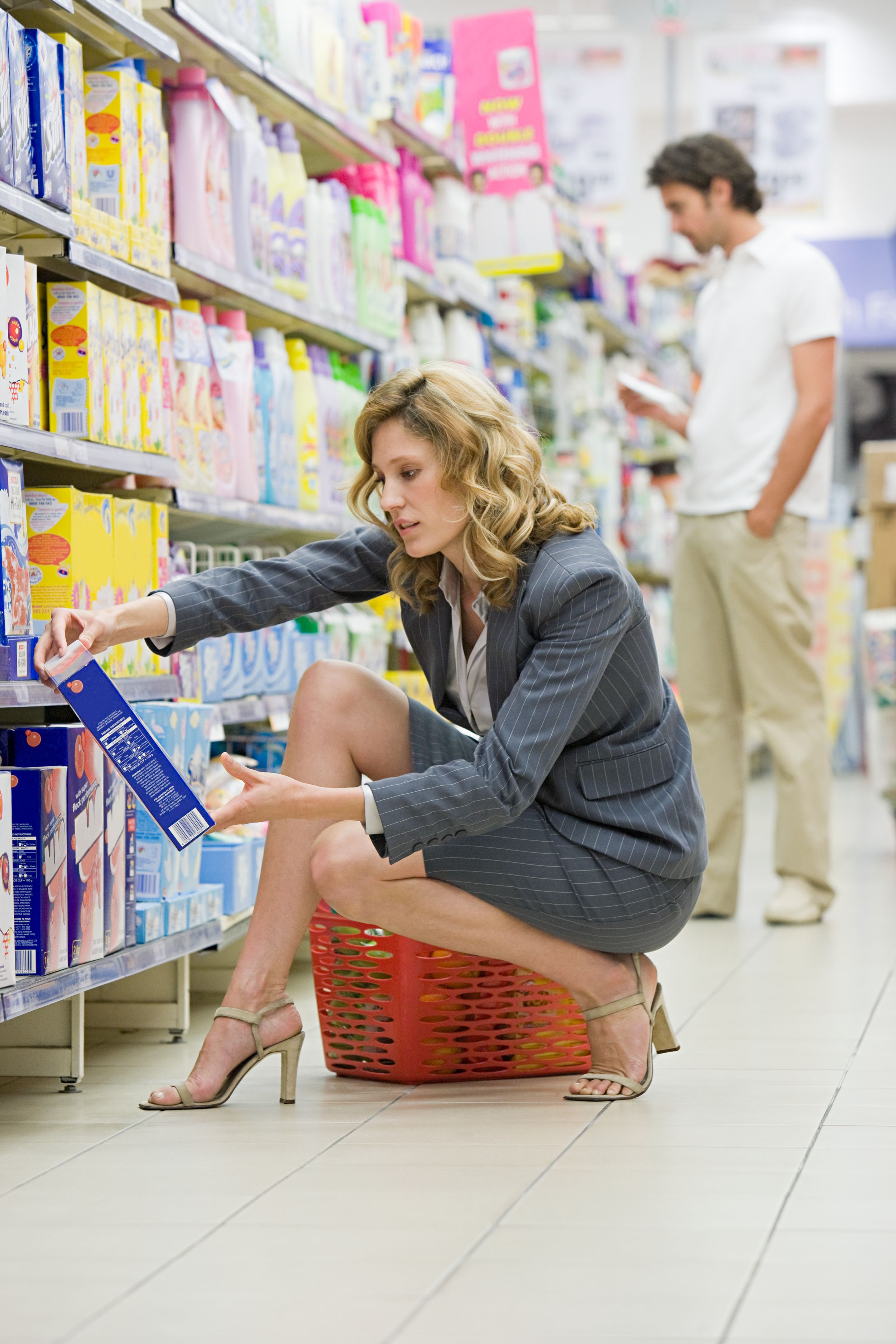
Myth 1: More Detergent Means Cleaner Surfaces
A widespread belief is that using more detergent will lead to cleaner surfaces. In reality, using too much detergent can leave a residue that attracts more dirt and grime. Experts recommend using the recommended amount on the label to avoid buildup and ensure surfaces are truly clean.
Tip: Always follow the manufacturer's instructions and consider investing in concentrated formulas for better results.
Myth 2: Bleach Is the Ultimate Cleaner
While bleach is an effective disinfectant, it is not a universal cleaner. Bleach works well for killing germs but doesn’t remove dirt or grime. It's important to clean surfaces with soap and water first before using bleach for disinfection.
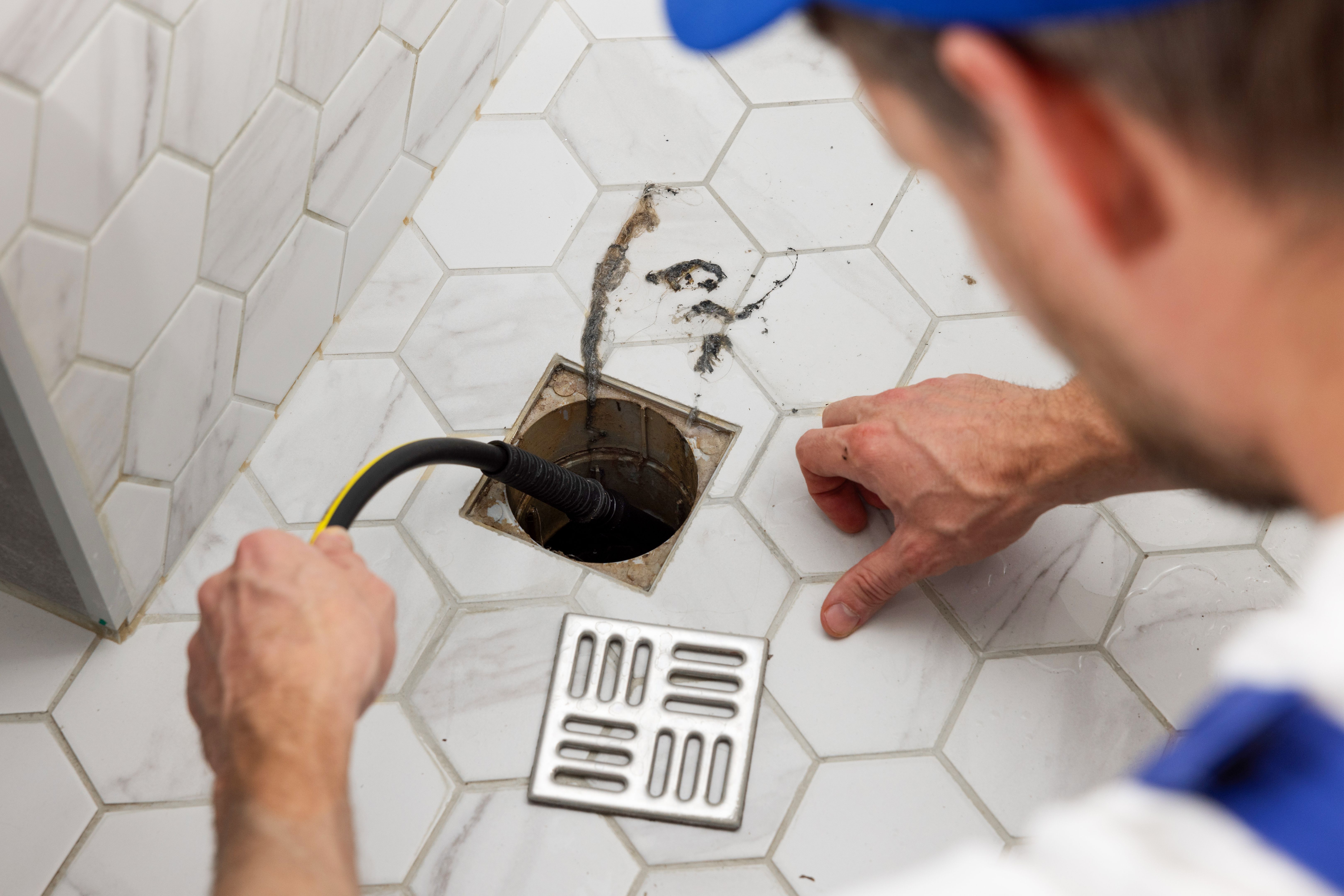
Additionally, using bleach on certain surfaces, like wood or metal, can cause damage. Consider using it selectively and with caution.
Myth 3: Vinegar Cleans Everything
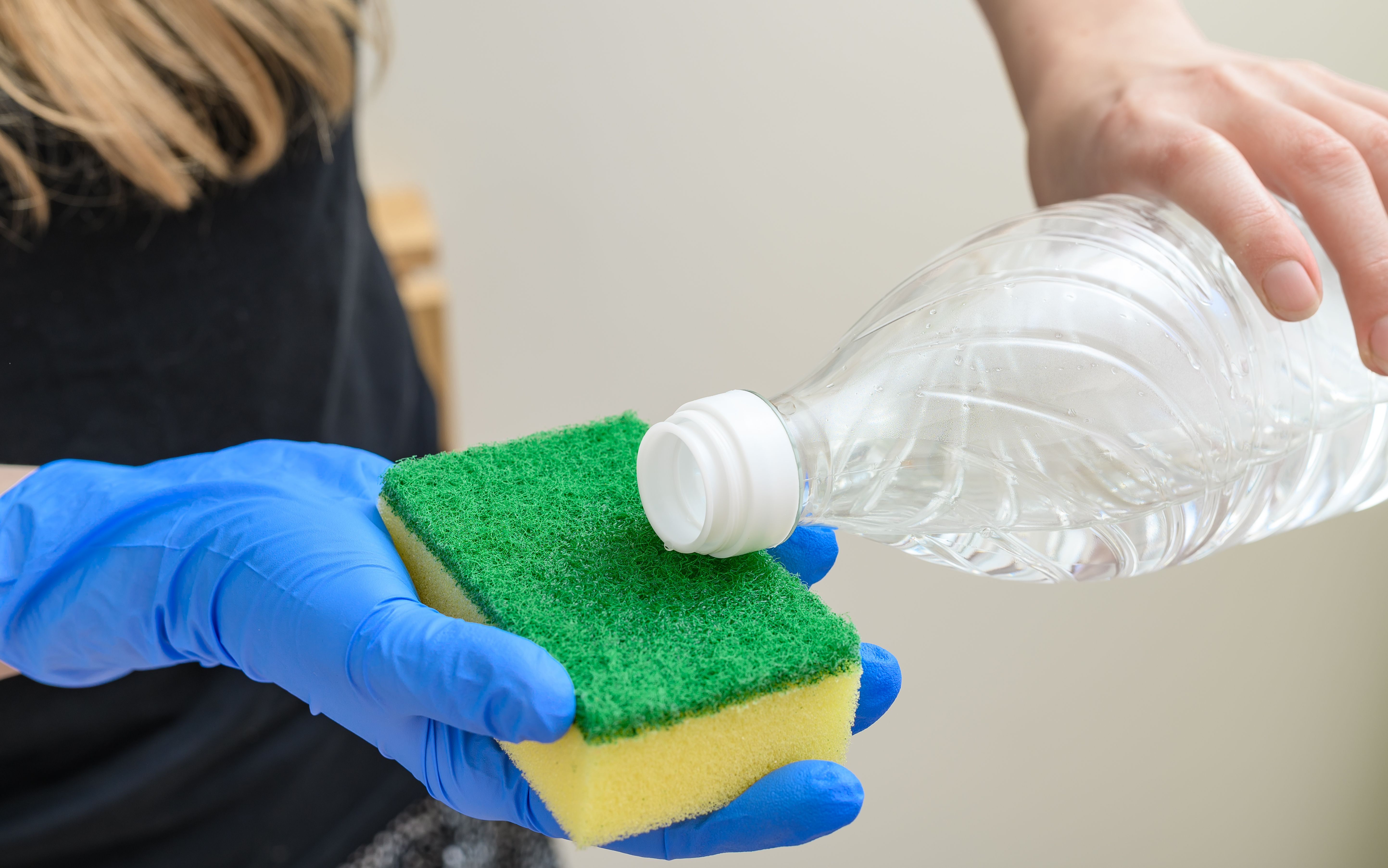
Vinegar is a popular natural cleaning solution, but it’s not suitable for all surfaces. While it works well on glass and as a mild disinfectant, vinegar can damage stone surfaces like granite and marble due to its acidity.
Experts suggest testing vinegar on a small area first or opting for specific cleaners designed for delicate surfaces.
Myth 4: Dusting Is Best Done with a Dry Cloth
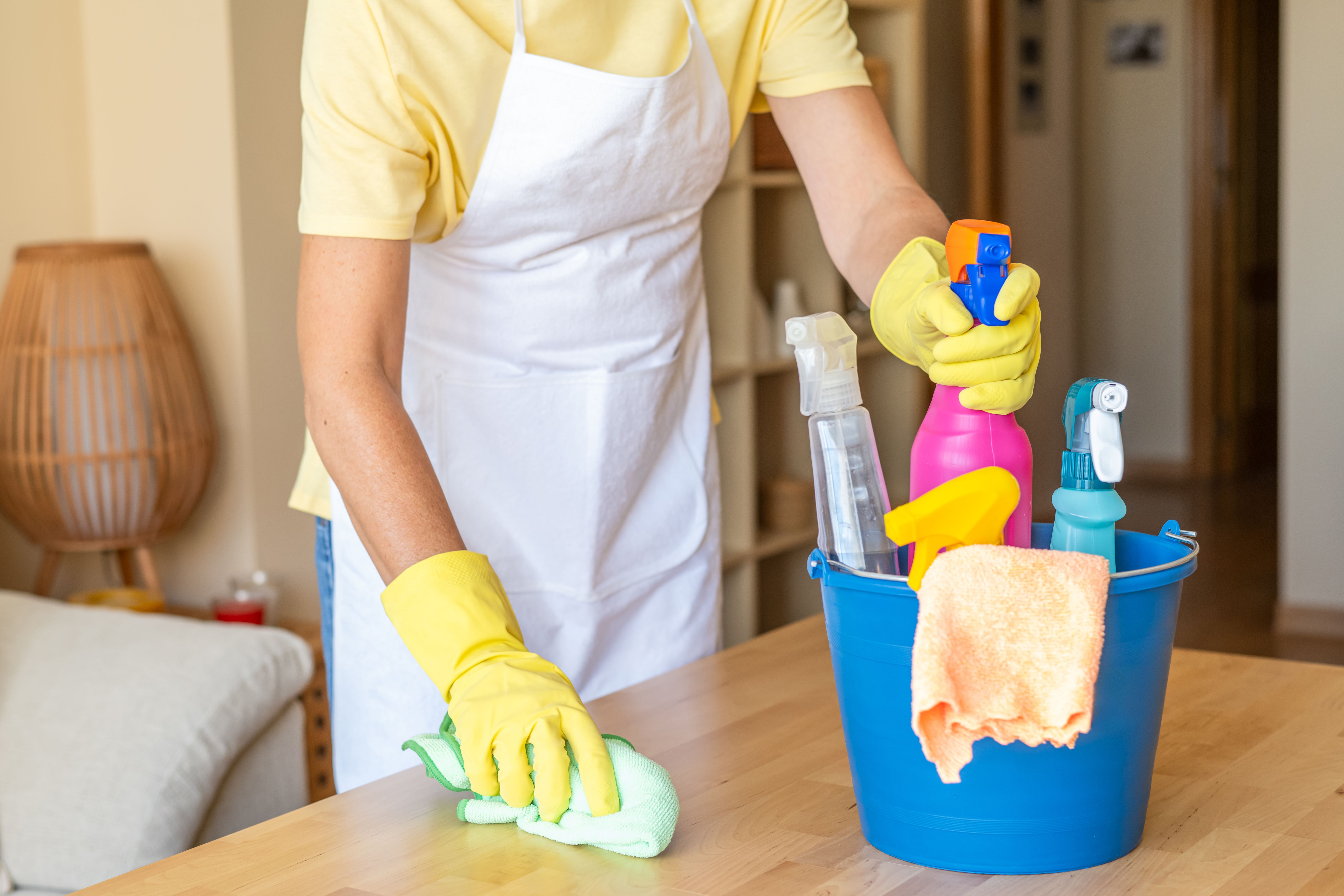
Using a dry cloth to dust can often spread dust around instead of collecting it. Cleaning professionals recommend using a damp cloth or microfiber material, which can trap dust more effectively.
Microfiber cloths are particularly beneficial as they are designed to pick up and hold onto particles without the need for additional cleaning solutions.
Myth 5: All Green Products Are Safe
While green cleaning products are marketed as safer alternatives, not all are created equal. Some may still contain chemicals that can cause allergies or environmental harm. It’s crucial to read labels and choose products that are truly eco-friendly and non-toxic.
Look for certifications from reputable organizations to ensure the products you use are both safe and effective.
By understanding these common cleaning myths, you can make informed decisions that keep your home clean and safe. Always rely on expert advice and verified practices to maintain a healthy living environment.