Common House Cleaning Myths Debunked


Understanding Common House Cleaning Myths
House cleaning is a task that many people tackle regularly, yet some misconceptions can make it more challenging than it needs to be. These myths can lead to ineffective cleaning practices or even damage to your home. Let's dive into some common cleaning myths and set the record straight.
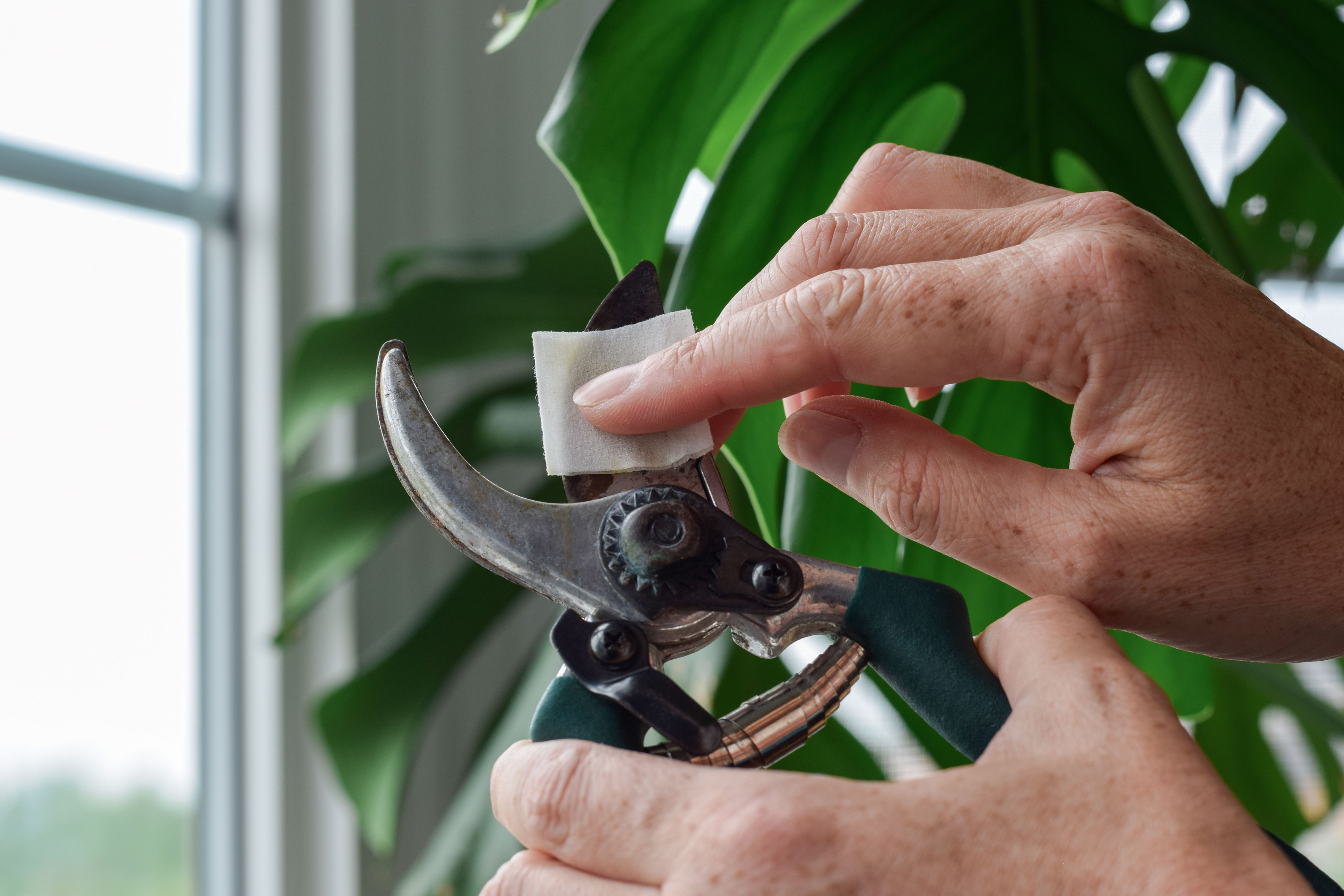
Myth 1: More Detergent Means Cleaner Surfaces
It's a common belief that using more detergent will result in cleaner surfaces. However, this isn't necessarily true. Excess detergent can leave a residue that attracts more dirt, making surfaces look dull and grimy. Use the recommended amount to ensure effective cleaning without buildup.
When using laundry detergent, for example, more is not better. Overusing it can lead to soap residue in clothes, which can irritate the skin and reduce fabric longevity. Always follow the manufacturer's instructions for the best results.
Myth 2: Vinegar Cleans Everything
Vinegar is often touted as a miracle cleaner for all surfaces, but it has its limitations. While vinegar is excellent for cleaning glass, countertops, and tiles, it's not suitable for everything. Avoid using vinegar on natural stone surfaces like granite or marble, as it can cause etching and dull the finish.
Additionally, vinegar should not be used on hardwood floors, as it can damage the protective finish. Instead, opt for cleaners specifically designed for wood surfaces to maintain their beauty and integrity.
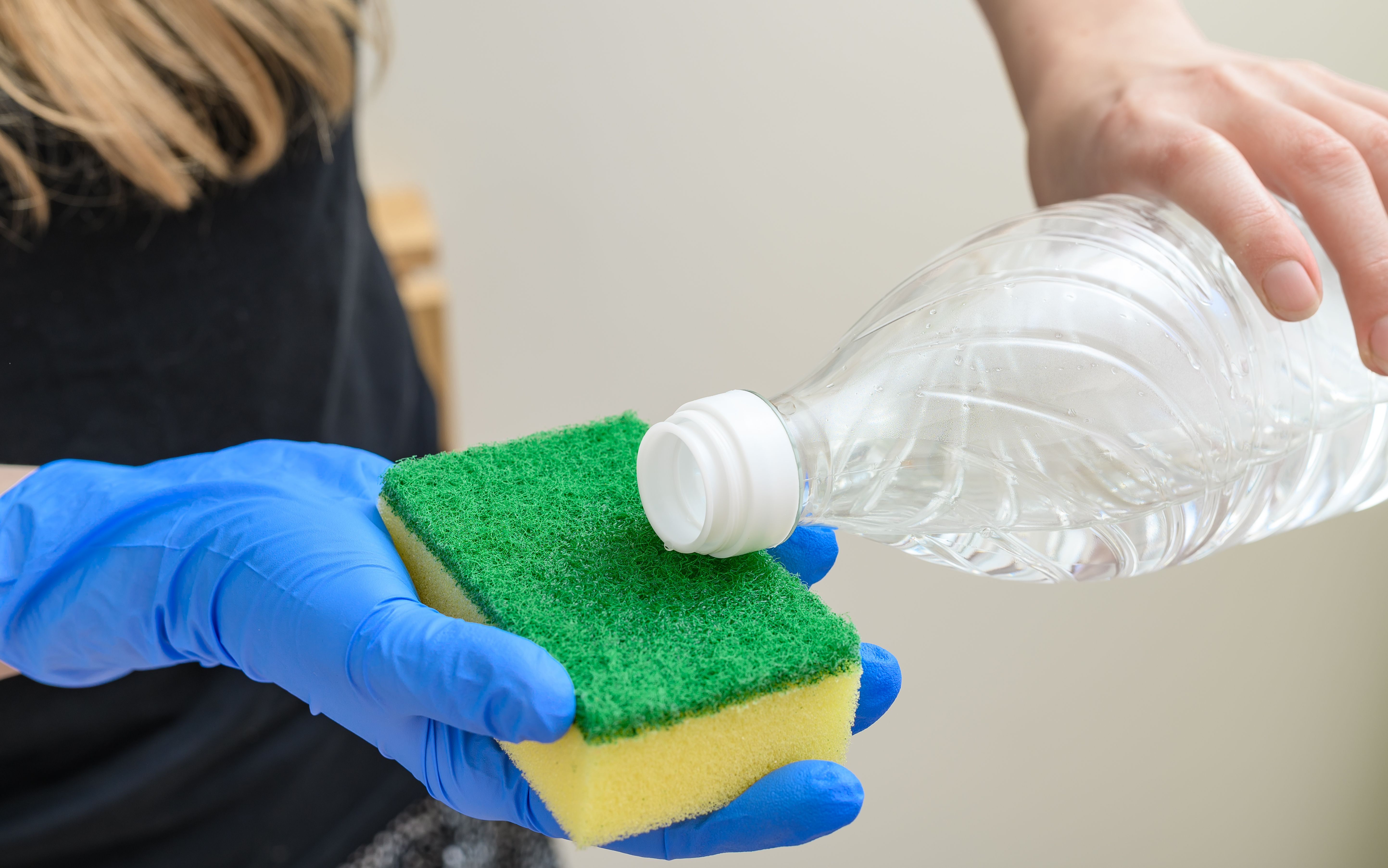
Myth 3: Bleach is the Best Disinfectant
Bleach is a powerful disinfectant, but it's not always the best choice for all cleaning tasks. While effective at killing bacteria and viruses, bleach can be harsh and should be used with caution. It's not suitable for porous surfaces and can cause discoloration or damage.
For everyday disinfecting, consider safer alternatives like hydrogen peroxide or commercial disinfectants that are less corrosive. These options can effectively sanitize without the risks associated with bleach.
Myth 4: Dusting with a Dry Cloth is Enough
Dusting with a dry cloth might seem adequate, but it often just moves dust around instead of removing it. A damp microfiber cloth is a much more effective option, as it captures and holds onto dust particles rather than scattering them.
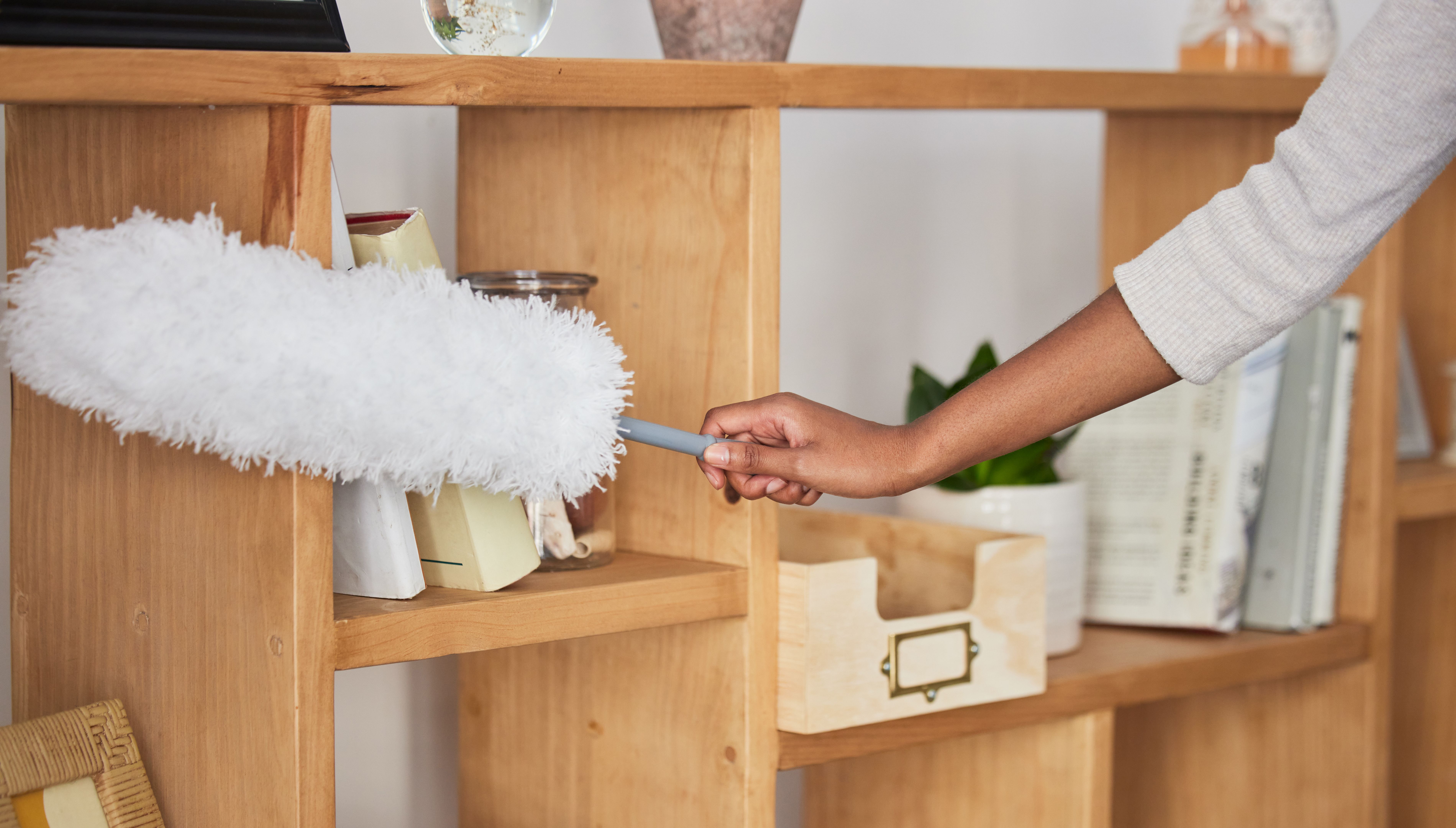
For electronic devices, use an anti-static cloth to prevent damage and ensure thorough cleaning. Regular, proper dusting can help maintain a cleaner, healthier home environment.
Conclusion
Understanding the truth behind common cleaning myths can lead to more effective and efficient cleaning practices. By using the right tools and techniques, you can keep your home spotless while avoiding unnecessary work or damage. Remember, sometimes less is more, and knowing when and how to use cleaning products can make all the difference.